
Overview
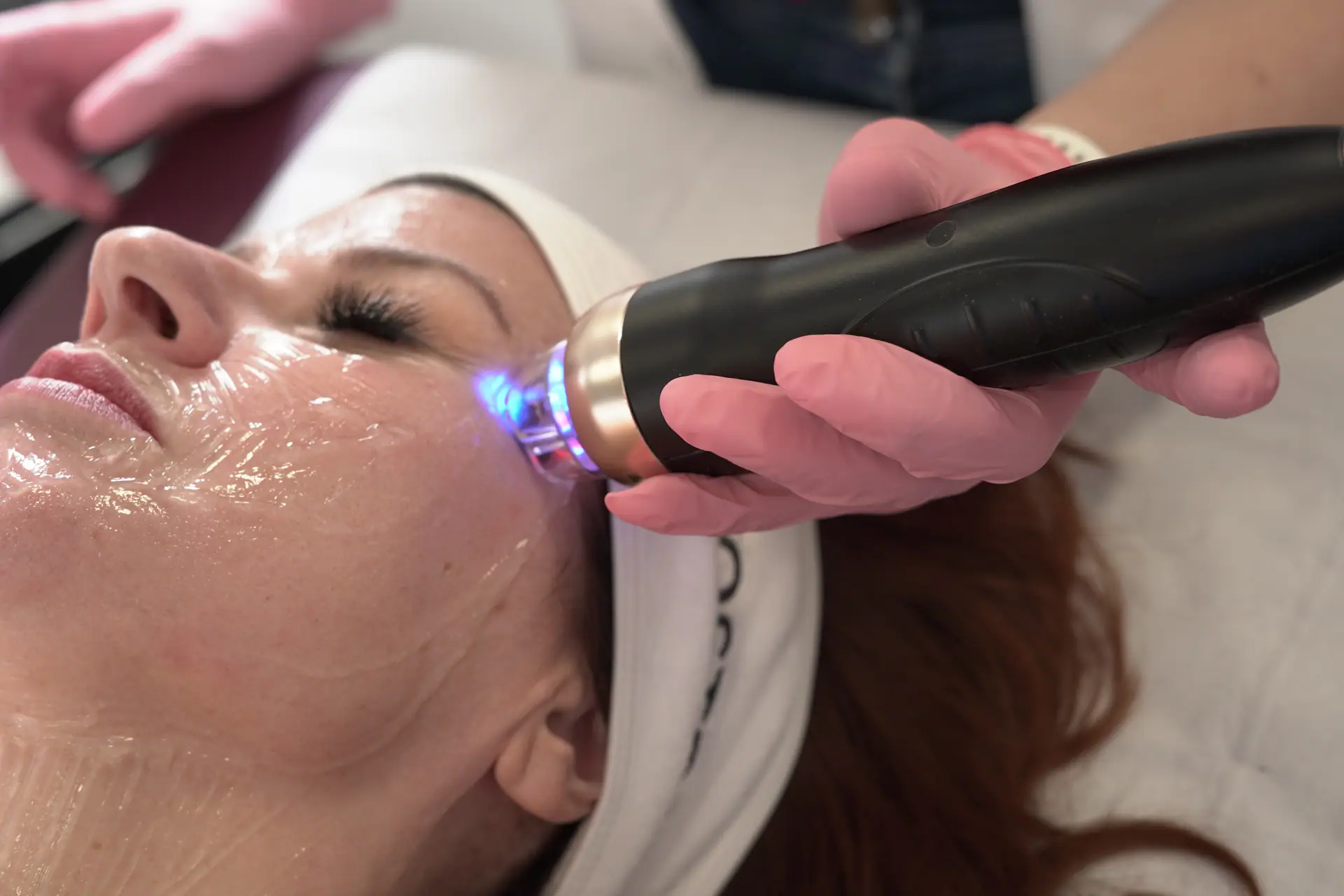
Microneedling creates tiny punctures in the skin using a device fitted with sterile micro-needles. These controlled micro-injuries set off the skin's healing process, which produces collagen and elastin over the following weeks. The small channels also help active ingredients applied during the session, such as hyaluronic acid or vitamin C, to penetrate the skin.
Indications
- Indented acne scars
- Enlarged pores and uneven texture
- Fine lines and surface wrinkles
- Moderate skin laxity
- Stretch marks
- Uneven skin tone
What to expect
- 1A consultation to assess the skin and decide on the treatment depth
- 2Numbing cream applied 20 to 40 minutes before the treatment
- 3The device is passed over the cleansed skin for 20 to 30 minutes on the face, at a depth of 0.5 to 2.5 mm depending on the indication
- 4A soothing product or suitable active ingredients are applied
- 5A course of 3 sessions 4 to 6 weeks apart, or up to 6 for marked acne scars
Contraindications
- Pregnancy and breastfeeding
- Active infection or lesion on the area, such as a cold sore outbreak or infected acne
- Clotting disorders or anticoagulant treatment, to be mentioned before the session
- A history of keloid scarring
- Isotretinoin treatment ongoing or recent
- Active autoimmune disease
Frequently asked questions
What happens afterwards?
The skin is red and slightly swollen for 24 to 48 hours, sometimes up to 5 days after a deeper treatment. Fine flaking may appear for 2 to 4 days. Most people go back to work the next day. Avoid make-up for 24 to 48 hours.
When will I see the first results?
The first changes in skin tone and texture usually show 4 to 6 weeks after the first session. Results build with each session and are assessed 3 to 6 months after the last one, as collagen takes time to form.
Do I need to protect my skin from the sun?
Yes. Avoid direct sun and use SPF 50 sunscreen for 4 to 6 weeks after the end of the course.
Who should not have microneedling?
Microneedling is not advised during pregnancy, with a skin infection, active inflamed acne, eczema or psoriasis in the area, a clotting disorder, cancer that is being treated, or a tendency to keloid scars. Tell the doctor if you have taken isotretinoin in the last 6 months.