
Overview
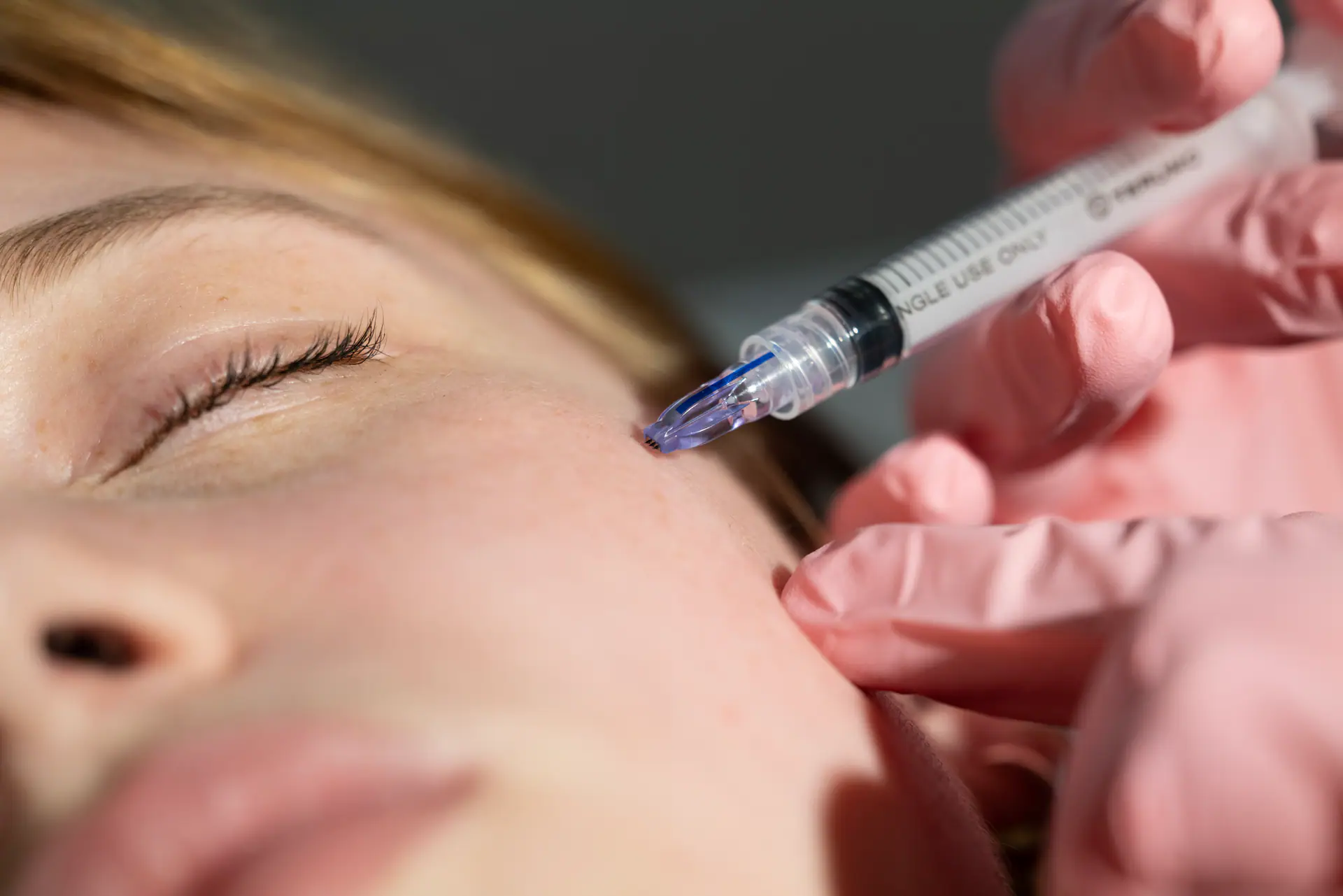
Polynucleotides are purified fragments of DNA, usually taken from salmon or trout, prepared as an injectable gel. Once injected into the skin, they stimulate fibroblasts, the cells that make collagen and elastin. The aim is to improve the texture, elasticity and hydration of the skin. They are not fillers and do not add volume.
Indications
- Uneven texture and loss of elasticity
- Dull or dehydrated skin
- Dark circles and the skin around the eyes
- Moderate skin laxity
- Neck, décolleté and backs of the hands
What to expect
- 1A consultation first, to assess the skin and check for contraindications, including fish allergy
- 2The area is cleansed and disinfected, with numbing cream if needed
- 3Micro-injections into the skin of the area being treated
- 4A course of 3 sessions about 3 weeks apart
- 5Maintenance sessions to prolong the result
Contraindications
- Pregnancy and breastfeeding
- Active infection or lesion on the area to be treated
- Fish allergy, as polynucleotides are of marine origin
- Active autoimmune disease
- Clotting disorders or anticoagulant treatment, to be mentioned before the session
Frequently asked questions
How many sessions are needed?
The course is 3 sessions about 3 weeks apart. Several treatments are needed for collagen production to get under way.
When will I see the effects, and how long do they last?
The improvement is gradual. The result is assessed at the end of the course, about 9 weeks after the first session. It usually lasts 6 months, and maintenance sessions help prolong it.
How is it different from hyaluronic acid?
Hyaluronic acid injections deliver hyaluronic acid directly, to fill or hydrate. Polynucleotides do not contain it. They stimulate the skin to make its own collagen, elastin and hyaluronic acid, so their effect is more gradual.
What happens afterwards?
Redness, slight swelling and tenderness at the injection points are usual and fade within a few hours to a few days. Bruising is possible. You can wear make-up again the next day. For the first week, avoid extreme temperatures and strong sun.
Who should not have polynucleotides?
The treatment is not advised during pregnancy or breastfeeding, under the age of 18, with an allergy to fish or seafood, an active herpes outbreak or inflamed skin in the area. An autoimmune disease, epilepsy, diabetes or circulation problems are assessed at the consultation.